PBC-AQUAQUA-BP
Aquaculture Probiotic Fermented Nutritional Supplement
(Probiotics Fermented Nutritional Supplement
(for Aquaculture)
— It combines three major functions: nutrition, health care, and water quality improvement.
PBC AQUAQUA-BP is a beneficial aquatic feed, also known as Active Probiotics BioFeed. It is a high-protein feed that is rich in protein after being fermented with probiotics.
Because nutrients are metabolized into smaller molecules through fermentation, they are easier for aquatic organisms to absorb and utilize in a balanced way. The product contains live probiotics, which, in addition to being used as feed, can also enter the aquaculture environment and the digestive tract of aquatic organisms, achieving the effects of disease resistance, environmental protection, and comprehensive protection of aquatic organisms.
- Provides protein and essential amino acid supplements.
- Provides some vitamins.
- Rapidly establish beneficial bacteria in the gut and water.
- It inhibits pathogenic bacteria in the intestines of fish and shrimp, reducing intestinal disease infections.
- Good digestion and absorption can improve growth rate and meat replacement rate, and reduce breeding risks and costs.
- To better regulate, buffer, and control the water quality and bottom sediment of the aquaculture environment.
Ingredients:
- Probiotics (yeast, lactic acid bacteria)
- Fermented soy protein
- Fish meal
Analysis:
- Crude Protein: 38% Min
- Crude Fat: 1% Min
- Moisture: 26% Ma
- Lactic acid bacteria
- Yeast flora (Saccharomyces)
Product Features
- Nutrition
- Health care
- Water quality improvement
Usage
- From stocking to 30 days of rearing: Mix Aquaqua-BP probiotic aquatic feed with a little water and sprinkle it evenly into the rearing pond.
- From 31 days of rearing to harvest: Mix 5-50% of the Aquaqua-BP probiotic aquatic feed with the commonly used feed in the appropriate proportions before use.
Package
20KG bag
Overview of key strain functions
Multi-strain Probiotic Complex: Highly Effective Usage Method
Phase 1: Propagation and Production
Phase Two: Field Application
Other Products
Lianfeng-Probiotic Protein-FP
Lianfeng-Weilian Wellset
Avian crown-E
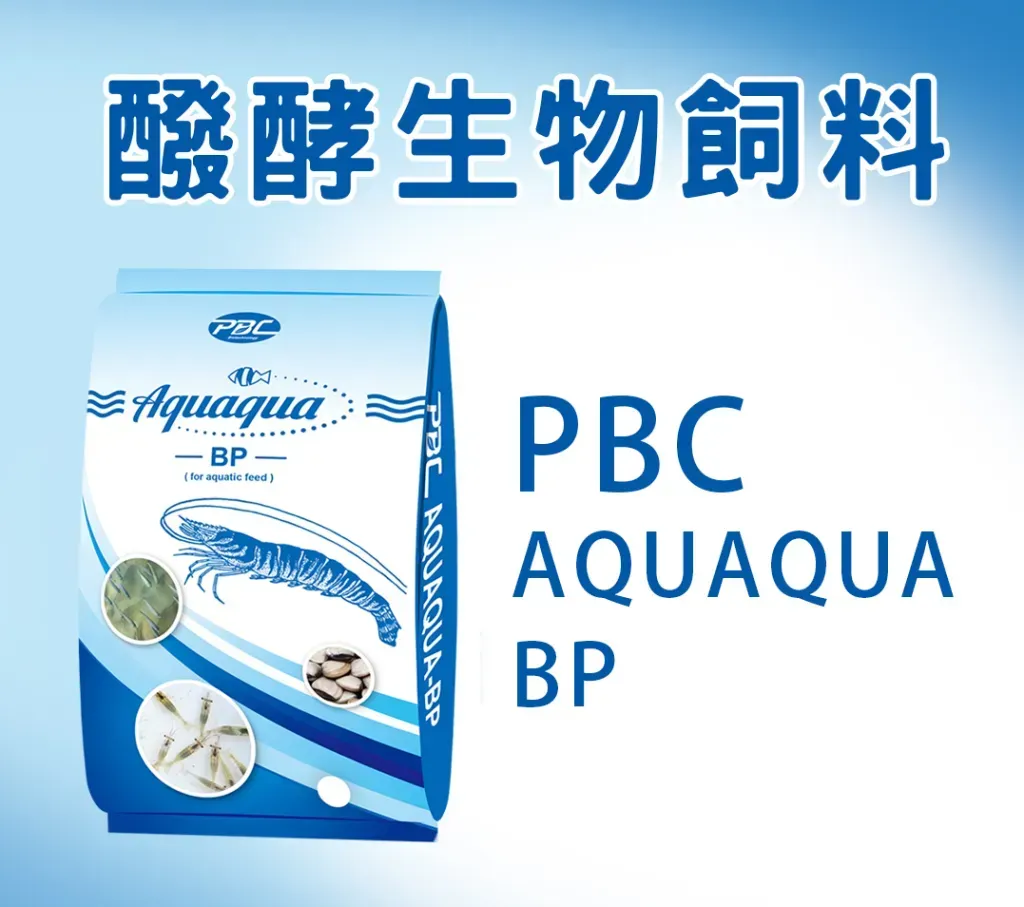
Probiotic nutritional supplements
Lianfeng Vitality Probiotics

Abdominal and Intestinal Tranquility